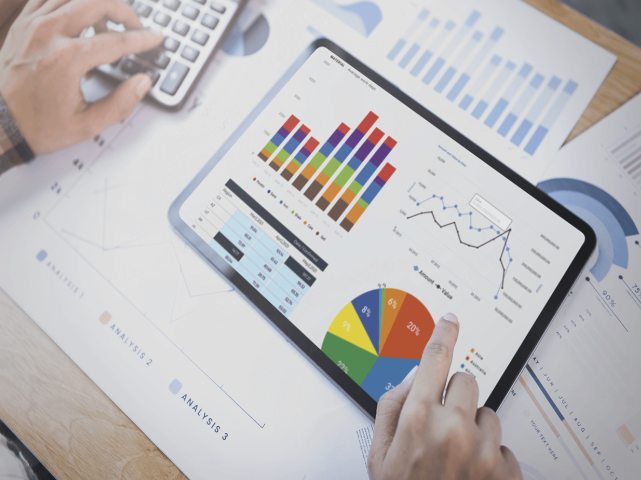
Big data collection employs diverse methodologies that span both digital and physical domains. Online behavior tracking utilizes cookies and social media interactions to glean user preferences. Meanwhile, sensors and IoT devices contribute real-time data from the environment. Surveys provide qualitative insights, while public records and government databases offer a quantitative foundation. This intricate web of data collection presents significant implications for understanding consumer behavior, as well as underlying ethical dilemmas that warrant careful examination.
Data Collection Through Online Behavior Tracking
As users navigate the digital landscape, their online behaviors are meticulously tracked, providing valuable insights into preferences and habits.
Cookie tracking serves as a primary tool for monitoring interactions on social media platforms, allowing companies to gather data on user engagement.
This collection of information empowers businesses to tailor experiences, but it raises concerns regarding privacy and the autonomy of individual online freedoms.
See also: pragatizacao
Sensors and IoT Devices in Data Gathering
The rise of sensors and Internet of Things (IoT) devices has transformed the landscape of data gathering by extending the reach of data collection beyond the digital realm into the physical world.
Sensor networks facilitate real-time data acquisition, while IoT analytics enable the extraction of actionable insights.
This evolution empowers individuals and organizations to monitor environments, optimize processes, and enhance decision-making, fostering a culture of informed freedom.
Surveys and User-Generated Content
While traditional data collection methods often rely on structured datasets, surveys and user-generated content have emerged as vital tools for capturing qualitative insights and understanding consumer behavior.
Effective surveys design facilitates targeted user feedback, enabling organizations to adapt strategies based on real-time preferences.
This dynamic approach fosters engagement, empowering consumers to influence product development and marketing, ultimately shaping a more responsive marketplace.
Public Records and Government Data Sources
Surveys and user-generated content provide valuable qualitative data, yet public records and government data sources offer a wealth of quantitative information that is instrumental in big data collection.
These resources enhance government transparency and promote data accessibility, allowing individuals and organizations to leverage this information for informed decision-making.
As a result, they play a crucial role in fostering accountability within public institutions.
Conclusion
In conclusion, the multifaceted methods of big data collection reveal a complex landscape of consumer insights. Notably, a 2023 report indicated that 81% of consumers are concerned about their online privacy, illustrating the tension between data utilization and ethical considerations. As organizations continue to harness data from online behavior, IoT devices, and public records, the imperative for transparent practices and robust privacy protections becomes increasingly critical to maintaining consumer trust in an era dominated by data-driven decision-making.